Symptom guide
Bladder leakage or frequent urination? Start by noticing when it happens
A few drops when you laugh, a race to the bathroom that you sometimes lose, getting up again and again at night: these are everyday problems, and they are worth bringing to a urologist. This page helps you describe what is happening, so your first visit with our team in Marietta, Canton, Dallas or Jasper gets straight to useful answers.
Call (678) 344-8900 Book online

When do you leak?
The moment a leak happens is the most useful clue we have. Think about your last few accidents and which of these sounds familiar:
- With a cough, sneeze, laugh, jump or lift. This pattern is called stress leakage. The muscles and tissue that hold the urethra closed are not keeping up with sudden pressure. It is common after childbirth, with menopause and, in men, after prostate surgery.
- On the way to the bathroom, right after a strong urge. This is urge leakage, part of what doctors call overactive bladder. The bladder squeezes before you are ready.
- A bit of both. Mixed leakage is common, and we usually treat whichever part bothers you more first.
- A slow, steady dribble, or a bladder that never feels empty. This can mean the bladder is not emptying well, and it needs a check of how much urine is left behind.
Is frequent urination part of the same problem?
Often it is. Frequent urination, meaning more than about eight trips in a day, feeling a sudden urge that is hard to hold, or planning outings around restrooms are all part of the same picture even when no leak happens. Our overactive bladder page covers that side in depth.
Why am I up several times a night to urinate?
Getting up twice or more a night has many possible causes: an overactive bladder, an enlarged prostate in men, drinking late in the evening, swelling in the legs that the body clears once you lie down, sleep apnea, diabetes or certain medicines. A bladder diary of a few days usually shows which one is in charge. Men with a slow stream as well may want to read our page on a weak stream and night-time trips.
Is there anything I can try before my visit?
- Keep a three-day diary of what you drink, when you go and when you leak
- Cut back on caffeine, alcohol and fizzy drinks for a week and see what changes
- Spread fluids through the day instead of drinking a lot in the evening
- Do not cut fluids drastically; concentrated urine can irritate the bladder
When should I call sooner?
Book promptly if leaking began suddenly, if it comes with burning, blood in the urine or fever, or if you have new numbness or weakness in the legs. Being unable to pass urine at all is an emergency.
What happens at the visit?
Expect a conversation about your pattern and your diary, a urine test, and an ultrasound check of how much urine stays in the bladder after you go. Some people need bladder function testing, called urodynamics, before certain treatments. Women and men are both seen for leakage at our offices.
What treatments are available through our team?
Plans usually start simple and step up when needed:
- Pelvic floor physical therapy and bladder retraining, offered within our practice
- Medicines that calm an overactive bladder
- Bladder Botox, given through a scope in our surgery centers
- InterStim and Altaviva, implanted nerve stimulation options for urgency
- A midurethral sling for women with stress leakage
- For men leaking after prostate treatment: adjustable ProACT balloons, a sling designed for men, or an artificial sphincter
Each option, with its trade-offs, is explained on our bladder leakage treatment page. Think of this page as the starting point and that one as the treatment guide.
Where can I be seen for this?
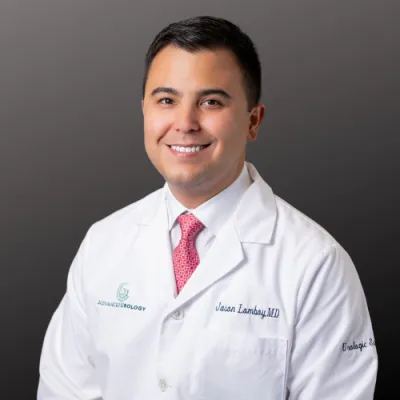
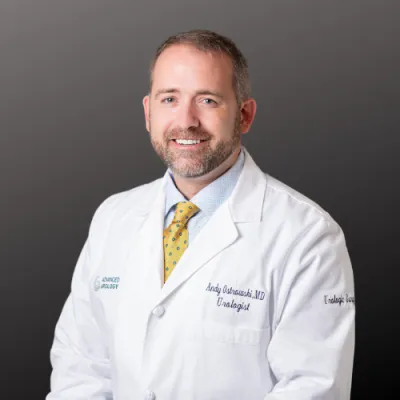
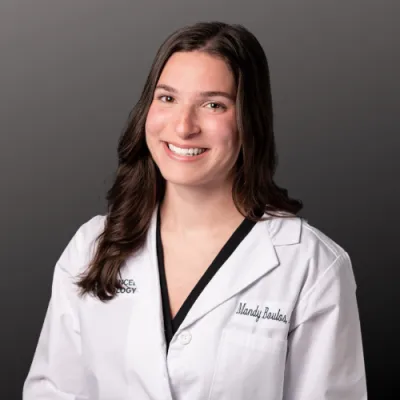
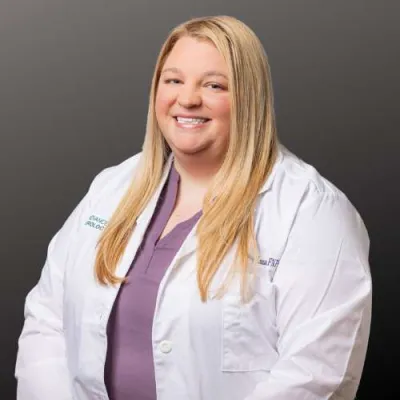
- Marietta Clinic & Surgery Center, 1371 Church Street Extension NW, Marietta, GA 30060. Seen here for this concern: Chirag Dave, MD, Jason Lomboy, MD, Andy Ostrowski, MD, Amanda Boulos, PA-C, Anna Flint Todd, PA-C, Ionela Turcin, PA-C, Britany Howard, FNP. Procedures for all four offices happen in this building.
- Canton Clinic, 2205 Riverstone Blvd Suite 101, Canton, GA 30114. Seen here for this concern: Chirag Dave, MD, Jason Lomboy, MD, Andy Ostrowski, MD, Amanda Boulos, PA-C, Anna Flint Todd, PA-C, Ionela Turcin, PA-C. Procedures are scheduled at our Marietta Clinic & Surgery Center.
- Dallas Clinic, 2713 Charles Hardy Parkway, Bldg 100, Suite 122, Dallas, GA 30157. Seen here for this concern: Daniel Roberson, PA-C. Visits here are with Daniel Roberson, PA-C. Physician visits and procedures are arranged in Marietta.
- Jasper Clinic, 49 Gordon Rd Suite 103, Jasper, GA 30143. Seen here for this concern: Chirag Dave, MD, Jason Lomboy, MD, Britany Howard, FNP. Procedures are scheduled at our Marietta Clinic & Surgery Center.



Questions people ask us
Is bladder leakage just part of getting older?
Leaks do become more frequent with age, but they are not something to live with. Treatment, from pelvic floor therapy to medicine and procedures, helps at any age.
Do pads make the problem worse?
Pads don't cause leakage, but relying on them can delay care that would help. Bring a sense of how many you use to your visit.
Will I need surgery?
Most people don't. Therapy, habit changes and medicine help many patients, and procedures come up for discussion when those fall short.
Do men get bladder leakage too?
Yes. In men, leaks often follow prostate surgery or come with an enlarged prostate, and both have specific treatments.
What is a bladder diary?
A simple log of drinks, bathroom trips and leaks over a few days. It shows patterns that are hard to remember in an exam room.
Where can I be seen for bladder leakage?
At our Marietta, Canton, Dallas or Jasper office. Any procedure takes place at our Marietta Clinic & Surgery Center.
Urinary incontinence on advancedurology.com
Other symptoms we help with
- Blood in your urine? Here is what to do next
- Your PSA came back high. What happens now?
- Kidney stones causing pain? Deciding between the ER and our office
- Weak urine stream, trouble urinating or up at night: is it your prostate?
Educational information, not medical advice or a diagnosis. Every treatment has risks, benefits and alternatives to discuss with your clinician.
Videos from Advanced Urology
Videos play here from Advanced Urology’s YouTube channel, using YouTube’s privacy-enhanced mode.
Treatment and doctors
Bowel leakage and bowel control
Accidental bowel leakage often shows up alongside bladder symptoms. These guides cover causes, warning signs and treatment at our four offices:
We're here to help. Our offices in Marietta, Canton, Dallas and Jasper share one phone line and one caring team.